Walking Guide: Bruges on Foot
There is something special about walking in Bruges. You don't need a car or a complicated itinerary. And you certainly don't need to rush. Simply put on a comfortable pair of shoes and start exploring.
Bruges is a city made for walking. Its historic centre is compact, the streets are full of character, and every street has something worth discovering. From the famous Markt and Belfry to quiet canals and peaceful backstreets. Walking allows you to experience Bruges at your own pace. I believe it to be one of the best ways to discover the real character of the city. It is how I fell in love with Bruges, and it is exactly what I try to bring to every walking guide I lead through its streets.
The Best Way to Explore Bruges
Bruges is not a city you should simply drive through. The details are too important to do so. When you walk, you have time to notice the architecture, listen to the sounds of the city, and discover places you might otherwise miss.
The bells of a church ring in the distance or a boat quietly moving along the canal. You turn into a small street and suddenly find yourself away from the crowds, standing in front of a doorway that has been there for five hundred years. These little moments are part of what makes Bruges feel so alive. Walking gives you the time to notice them, and I think that is something worth protecting.
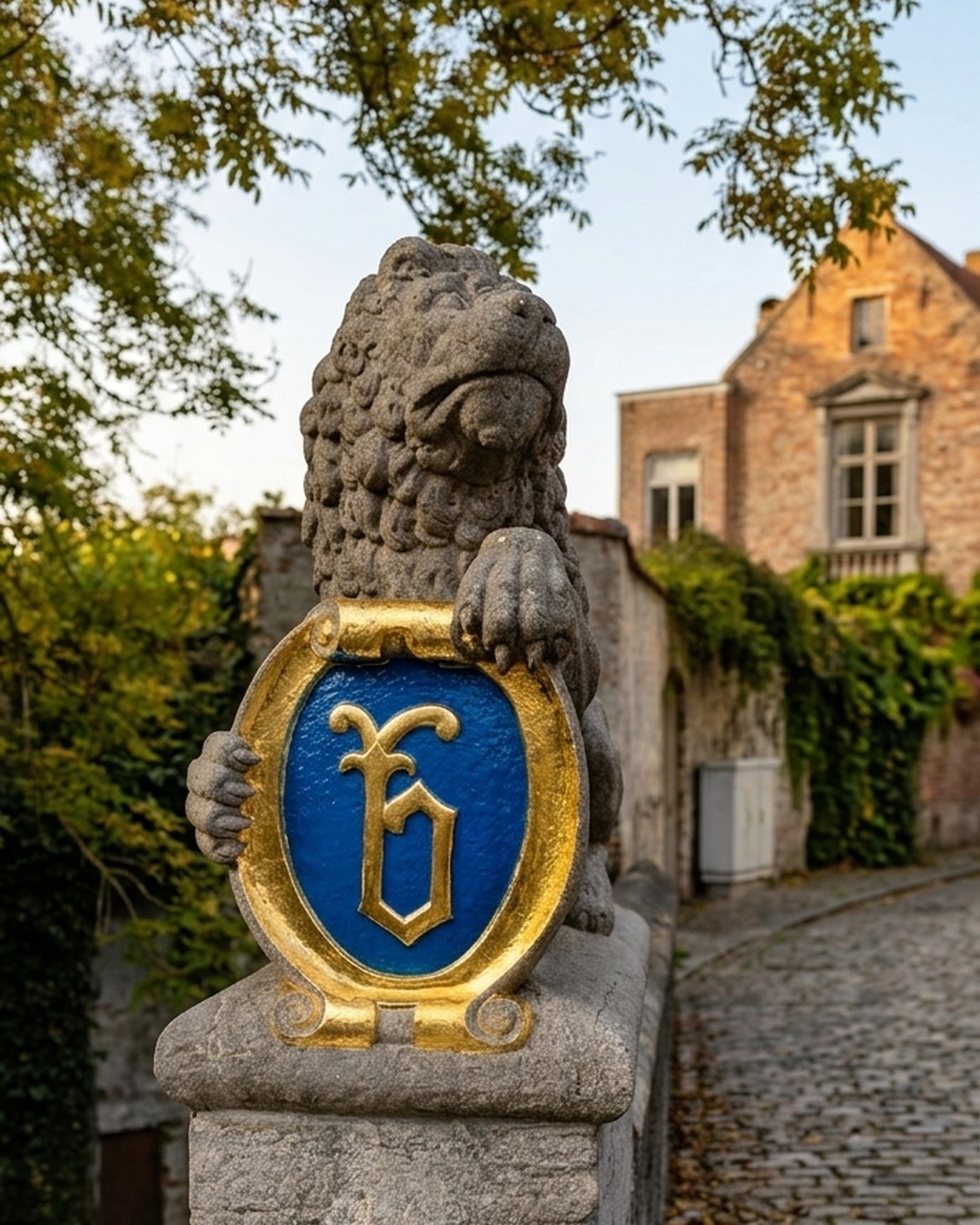
A Walking Tour Through the Historic Centre
A walking tour in Bruges is a wonderful way to discover the city's most important sights while learning about its history. Start at the Markt, the beating heart of historic Bruges. From here, walk towards Burg Square and continue through the winding streets of the medieval centre.
Along the way, you will encounter historic buildings and bridges, and beautiful views over the canals. But for me, a walking tour should never simply be a list of attractions. The interesting part is discovering the stories behind them. Why was Bruges so wealthy during the Middle Ages? Who actually lived in these grand houses? How did the canals shape the city's development, and what happened when Bruges lost its role in international trade? Once you know these stories, the city becomes much more than a beautiful backdrop. It becomes something you feel connected to.
Walking Beyond the Tourist Route
One of my favourite things about walking in Bruges is how easy it is to escape the busiest streets. You only need to walk a few minutes away from the main tourist attractions and the atmosphere changes completely. The streets become quieter. You begin to see more local life. And you start noticing details that you might have missed while following the standard tourist route.
This is where the backstreets of Bruges come into their own. A quiet lane with centuries-old brickwork where each house has a historic doorway half-hidden behind ivy. A small bridge you have to yourself, overlooking a peaceful stretch of canal. A hidden square where an old man is reading his newspaper outside a cafe. These places may not appear on every tourist map, but they are part of what makes Bruges such a rewarding city to explore on foot.
A Walking Route Along the Canals
You cannot truly experience Bruges without spending some time beside its canals. The water has played an important role in the city's history and remains one of its most beautiful features.
Walking beside the canals gives you some of the best views of Bruges. Historic buildings are reflected in the water. It's the place where narrow bridges connect the streets. Depending on the time of day, the atmosphere can change completely. Early in the morning, the canals can be wonderfully peaceful. During the day, they become lively with visitors and boats. In the evening, the lights create something entirely different, a kind of quiet intimacy that is hard to describe until you have felt it. If you have the time, I would suggest walking the same route at different hours. You may be surprised by how different Bruges feels when the light changes.
Getting Lost in Bruges
One of the best pieces of advice I can give visitors is this: don't be afraid to get lost. The historic centre of Bruges is small enough that you will never be truly lost for long. Take a street because it looks interesting. Follow a canal. Cross a bridge. Turn left instead of right. You might discover a quiet corner that becomes one of your favourite memories of the city.
Of course, there are places you should definitely see. But I have found that some of the best experiences happen in between the attractions, in the unplanned moments when you are simply wandering and something catches your eye.
Walking in Bruges Like a Local
Walking like a local means slowing down. Instead of trying to see everything in a few hours, take the time to actually experience the city. Stop for a coffee at a cafe where the owner knows the regulars by name. Look up at the architecture. Visit a local shop. Sit beside the canal and watch the bicycles pass. Have a conversation with someone who lives here. And leave some room in your schedule for unexpected discoveries.
This is the Bruges I love. Not just the famous landmarks, but the everyday city behind them. The smell of fresh bread from a bakery on a side street. The sound of someone opening their shutters in the morning. These small, ordinary moments are what make Bruges feel like a real place, not just a destination.
Best Time for Walking in Bruges?
There is no single best time to explore Bruges on foot. Every part of the day has its own atmosphere, and I enjoy them all for different reasons. Early morning is ideal if you want quieter streets and beautiful soft light. Late afternoon is perfect for enjoying the changing colours of the historic buildings. Evening brings a different kind of magic, especially around the canals and historic squares, when the stone seems to glow.
If you are visiting during the busiest season, starting your walk earlier can make a real difference. You will experience a much calmer side of the city before the main tourist crowds arrive. I find that those quiet early hours often become the most memorable part of someone's visit.
Walking and Belgian Food in Bruges
Walking is also a great way to work up an appetite. And Bruges offers plenty of opportunities to stop along the way. A Belgian waffle from a stand that smells incredible before you even see it. Some local chocolate that tastes nothing like what you find at home. A Belgian beer in a traditional cafe where the wooden tables have stories of their own. Or a relaxed meal on a terrace tucked away from the main streets.
One of the pleasures of exploring Bruges on foot is that you can simply stop whenever something catches your attention. There is no schedule pulling you forward. No need to rush to the next attraction. Just you and the city, at your own pace.
Do You Need a Walking Guide in Bruges?
You can certainly explore Bruges on your own, and it will be a wonderful experience. But walking with a local guide gives you another perspective. You learn the history behind the buildings. You discover quieter streets you might not have found. You can ask questions and follow your curiosity wherever it leads. A local guide can also help you see details that you might otherwise walk straight past, the kind of small things that suddenly make a building or a street come alive.
For me, every walk should feel like a personal introduction to the city. Not a race from one attraction to another. Not a list of dates and names. Just a relaxed walk, good stories, and a chance to discover Bruges from a perspective that feels genuine.
Discover Bruges on Foot with Backstreets of Bruges
If you want to experience Bruges beyond the standard tourist route, come and explore the city on foot with Backstreets of Bruges. Together, we can discover the famous landmarks, walk along the canals, explore the backstreets, and hear the stories that make this city what it is. I want to show you the hidden corners, the quiet views, and the atmosphere that makes Bruges so special. Because sometimes the best way to discover a place is also the simplest. Just walk.
Backstreets of Bruges – discover Bruges one street at a time.