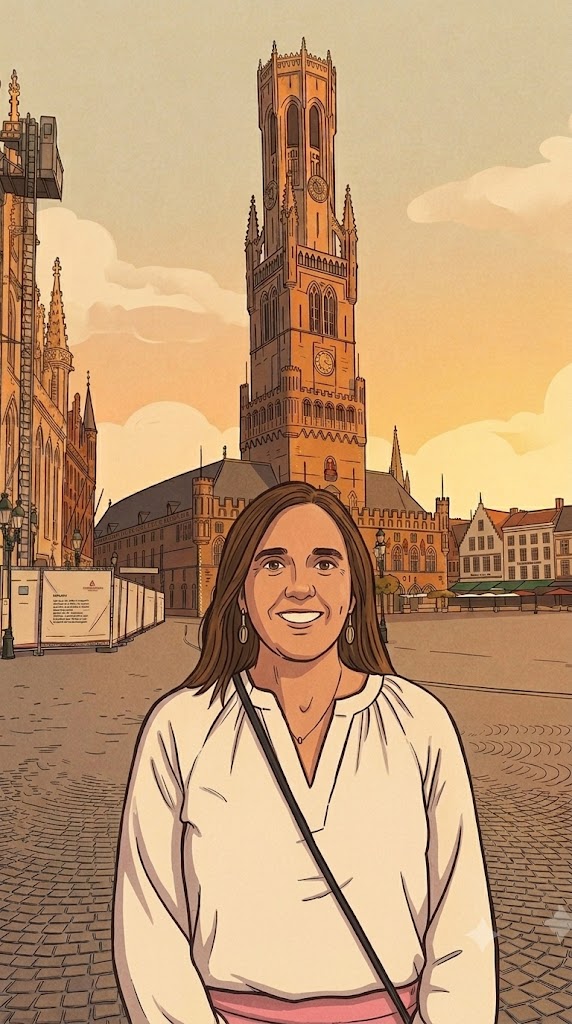
Travel to Bruges: Discover the City Like a Local
Planning your next travel to Bruges? Then prepare yourself for a city that feels unlike anywhere else. Bruges is famous for its medieval architecture, romantic canals and historic squares. Once you arrive it's easy to understand why travellers keep coming back to this marvelous city. But note that there is more to Bruges than the famous photographs. Beyond the Belfry, the Markt and the canals, you can find quiet streets where your voice echoes off centuries-old walls. You can wander into local cafes where nobody is in a hurry and discover a completely different side of the city. At Backstreets of Bruges, I want to help you discover exactly that.
Why Travel to Bruges?
There are many reasons to put Bruges on your travel list. The best thing is that the city seems to have something for everyone. If you are into history, then you will find centuries of European trade and art are woven into every street. If architecture fascinates you, practically every corner reveals another building worth stopping for. If food is what drives your travels, Bruges will not disappoint with its traditional cuisine. But Bruges can also offer you a way to slow down. The city can give you peaceful canals, charming streets and plenty of places to sit and watch the world go by. The best thing I find about Bruges, is that don't need to rush. The historic centre is compact enough to explore entirely on foot, which means you can take your time and truly enjoy the atmosphere.
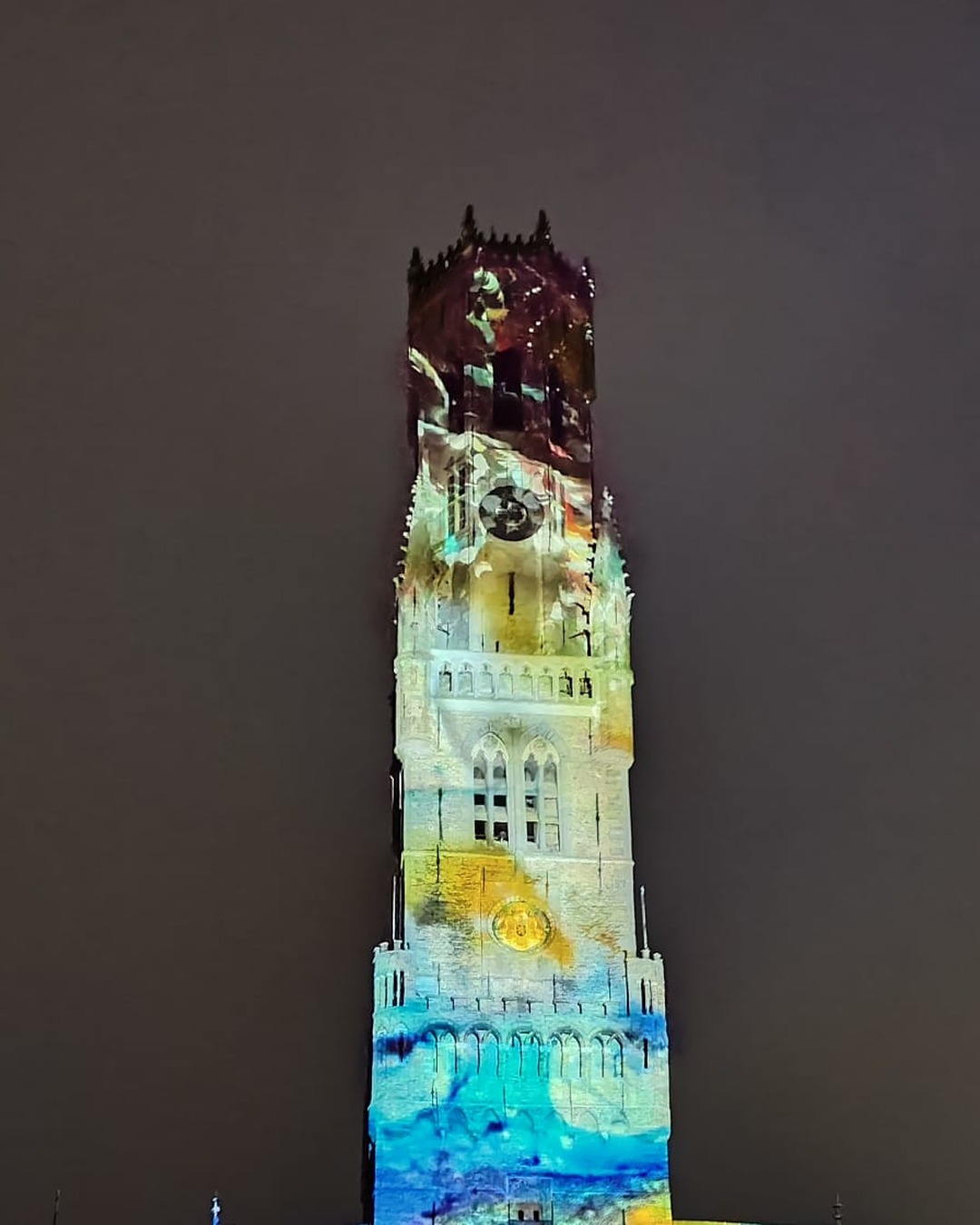
Travel to Bruges and Walk Through History
Bruges has a fascinating past, and I think that is what makes walking through the city so rewarding. During the Middle Ages, Bruges became an important centre for international trade. With merchants travelling to the city from across Europe. They brought goods, ideas, and cultures with them from far away. The wealth created by this trade helped shape the city to what we can see today. Many of the historic buildings, squares, and streets still reflect that particular golden period. You are in fact walking through centuries of living history. When someone then tells you who lived there or what happened on that particular corner, the city becomes even more fascinating.
Quiet Parts of Bruges
Not every part of Bruges makes it onto a postcard, and that's exactly what makes some of it so rewarding. A narrow lane that opens onto a courtyard nobody told you about. A canal reflection so still it looks painted. A window box tended by the same family for generations. None of it is hard to find — you just have to be willing to walk down a street because it looks interesting, not because a map told you to. That's usually where the best part of a trip to Bruges happens.
Getting Around Bruges on Foot
You won't need a car, a bike, or a bus pass to see the best of Bruges. The historic centre is small enough to cross in twenty minutes, yet dense enough that every one of those minutes shows you something new. Walking means you set the pace: linger at a canal view, duck into a shop that catches your eye, or simply stop for a coffee when your feet ask for one. A guided walk on your first day is a good way to get your bearings — after that, you'll know exactly where you want to wander back to on your own.